
About
I am a Ph.D. student in Computer Engineering at the University of Alabama in Huntsville, where I conduct my doctoral research in the AI, Autonomy, Resilience, Control (AARC) Lab under the supervision of Dr. Rahul Bhadani. My research focuses on intelligent transportation systems, with particular emphasis on reinforcement learning–based congestion mitigation, car-following behavior modeling, traffic signal control, and the integration of large language models (LLMs) into transportation systems for enhanced decision-making and traffic efficiency.
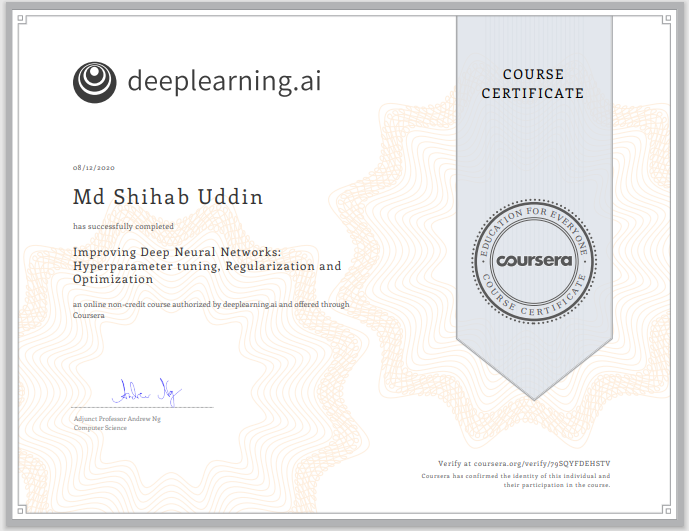
I completed both B.Sc. and M.Sc. degrees in Information and Communication Technology (ICT) from Comilla University, Bangladesh. During my graduate studies and prior research experience, I worked on problems spanning machine learning, natural language processing, and multimodal learning under the supervision of Pintu Chandra Paul, Assistant Professor, Department of ICT.
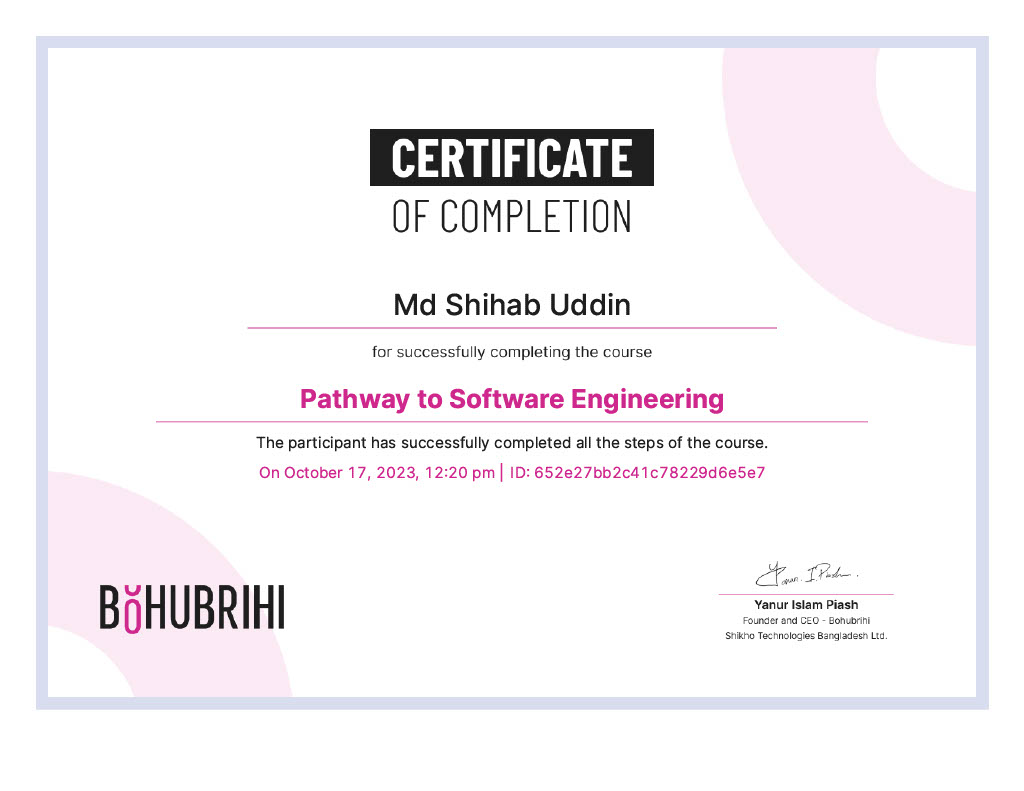
Before starting my Ph.D., I worked as a Senior Software Engineer (AI), where I worked on large-scale machine learning pipelines, distributed deep learning, and LLM-based applications deployed in cloud environments. This industry background strongly informs my research, enabling me to bridge theoretical modeling with real-world, scalable systems.
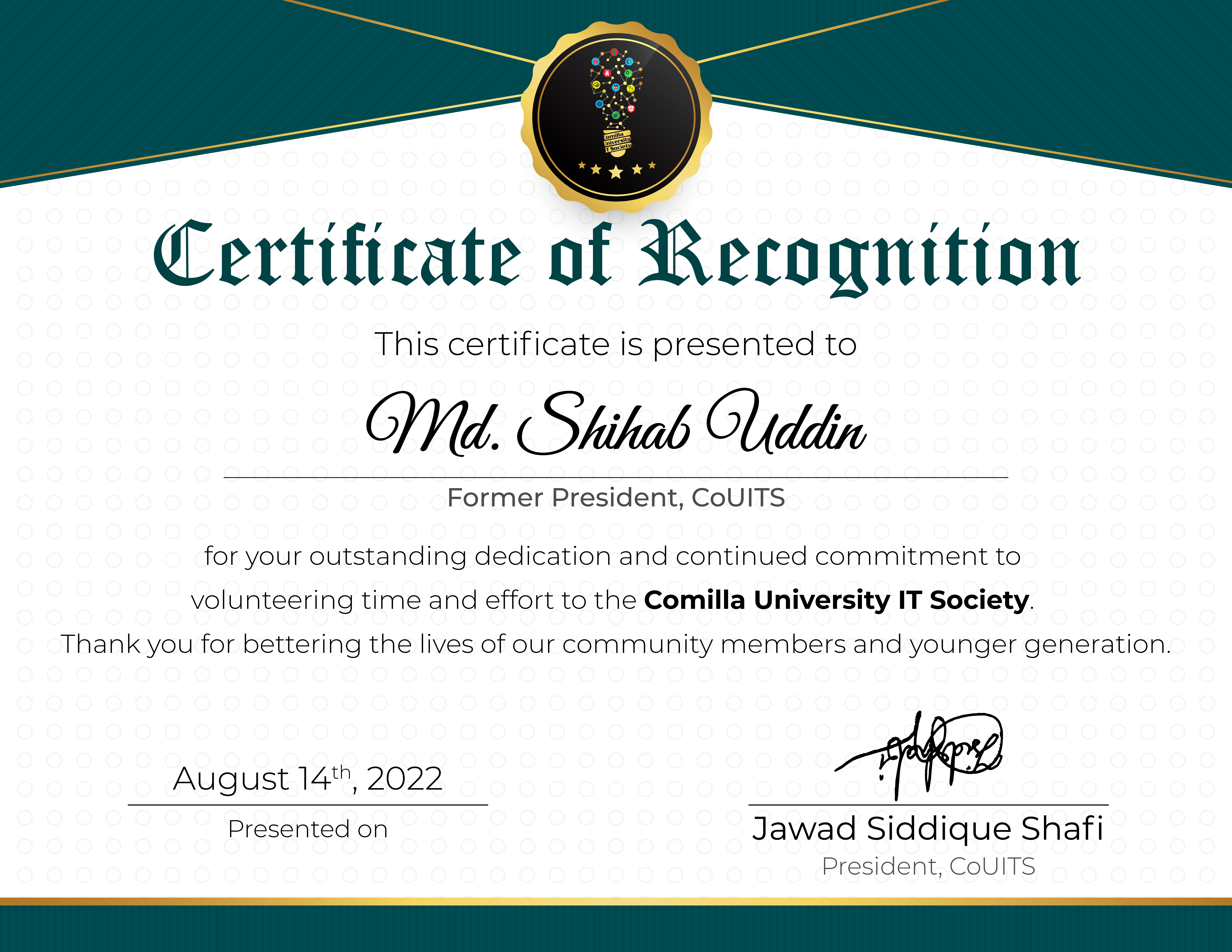
In addition to my research, I have been actively involved in leadership and community service. I served as President of the Comilla University IT Society, General Secretary of the ICT Association, and as a Radio Jockey for an online campus radio, experiences that strengthened my organizational, communication, and community-building skills. I have also been an IEEE member since 2024, contributing to student and professional activities..
Latest News
Stay updated with my latest activities, research, or publications.
Paper Accepted at IEEE Southestcon 2026
Accepted my paper on CPU Burst Forecasting and improve the latency using ML.
Paper Accepted at IV 2026
Published my paper on string stability analysis of stop and go wave using IDM and FollowerStopper Controller.
Paper Presented at IEEE ITSC 2025
Published my paper on the data-driven modeling of the car-following behavior for Electric Vehicle at IEEE ITSC 2025, Gold coast, Australia.
Presented at IEEE UEMCON 2024
Presented paper on "Bangla SBERT" at IEEE UEMCON 2024 held in New York.
Education
PhD in Computer Engineering
2025 - Present
University of Alabama in Huntsville (UAH), USA
Research Focus: Reinforcement Learning, NLP, and Intelligent Transportation Systems
Master Of Science in Information and Communication Technology
2021 - 2022
Comilla University, Comilla
CGPA : 3.54/4.00
Bachelor Of Science in Information and Communication Technology
2016 - 2020
Comilla University, Comilla
CGPA : 3.70/4.00
Publications
String Stability Analysis of Followerstopper for Mixed-Autonomy Vehicle Platoons IEEE IV 2026
Md. Nazmus Shakib,Md Shihab Uddin, Rahul Bhadani.
DOI: 10.1109/IV66570.2026.11623934
This study evaluates the string stability of the Followerstopper controller, a known wave-dampening control algorithm, in an eight-vehicle platoon scenario. An eight-vehicle platoon (one human-driven leader and seven automated followers) is simulated using a real-world leader speed profile, implemented in both a microscopic traffic simulator, SUMO, and a high-fidelity physics-engine simulator, CARLA. A time-domain evaluation framework is employed with metrics such as head-to-tail velocity amplification, relative speed differences, and spacing error. Results show that the Followerstopper nearly eliminates disturbance amplification: the head-to-tail amplification factor is approximately $0.994$ in both SUMO and CARLA, indicating slight attenuation of the leader’s perturbations. Once the Followerstopper is activated, large relative speed oscillations and spacing deviations are rapidly damped. These improvements are consistent across both simulators, which demonstrates the robust performance of Followerstopper under realistic vehicle dynamics. The proposed time-domain-based string stability assessment in realistic mixed-autonomy settings indicates that Followerstopper effectively stabilizes traffic flow by dissipating disturbances in platoon formation.
Modeling Electric Vehicle Car-Following Behavior: Classical vs Machine Learning Approach IEEE ITSC 2025
Md. Shihab Uddin, Md. Nazmus Shakib, Rahul Bhadani.
DOI: 10.1109/ITSC60802.2025.11423605
The increasing adoption of electric vehicles (EVs) necessitates an understanding of their driving behavior to enhance traffic safety and develop smart driving systems. This study compares classical and machine learning models for EV car following behavior. Classical models include the Intelligent Driver Model (IDM), Optimum Velocity Model (OVM), Optimal Velocity Relative Velocity (OVRV), and a simplified CACC model, while the machine learning approach employs a Random Forest Regressor. Using a real world dataset of an EV following an internal combustion engine (ICE) vehicle under varied driving conditions, we calibrated classical model parameters by minimizing the RMSE between predictions and real data. The Random Forest model predicts acceleration using spacing, speed, and gap type as inputs. Results demonstrate the Random Forest's superior accuracy, achieving RMSEs of 0.0046 (medium gap), 0.0016 (long gap), and 0.0025 (extra long gap). Among physics based models, CACC performed best, with an RMSE of 2.67 for long gaps. These findings highlight the machine learning model's performance across all scenarios. Such models are valuable for simulating EV behavior and analyzing mixed autonomy traffic dynamics in EV integrated environments.
Bangla SBERT - Sentence Embedding Using Multilingual Knowledge Distillation
M. S. Uddin, M. A. Haque, R. H. Rifat, M. Kamal, K. D. Gupta and R. George.
DOI: 10.1109/UEMCON62879.2024.10754765
Word embeddings have revolutionized NLP by capturing the semantic associations between words effectively. However, sentence embeddings present notable benefits in the context of advanced language comprehension. While these developments have impacted high-resource languages like English, low-resource languages like Bangla have not benefited as much. The objective of this study is to address this disparity by creating sentence embeddings for the Bangla language, to improve information retrieval, sentiment analysis, content suggestion, etc. In this study, we developed Bangla Sentence-BERT by fine-tuning it on novel datasets generated through machine translation and utilizing diverse open-source datasets. The approach we used consisted of utilizing the stsb-xlm-r-multilingual as the teacher model and XLM-RoBERTa (XLMR) as the student model for multilingual interpretation. We evaluated the efficacy of our suggested approach on multilingual sentence-BERT models and classical machine learning algorithms. The performance of our model was remarkable as it achieved an accuracy of 97% on real text classification. The results demonstrate the efficacy of our Bangla sentence transformer model in comprehending meaning and its potential for a range of Bangla natural language processing applications, such as text classification.
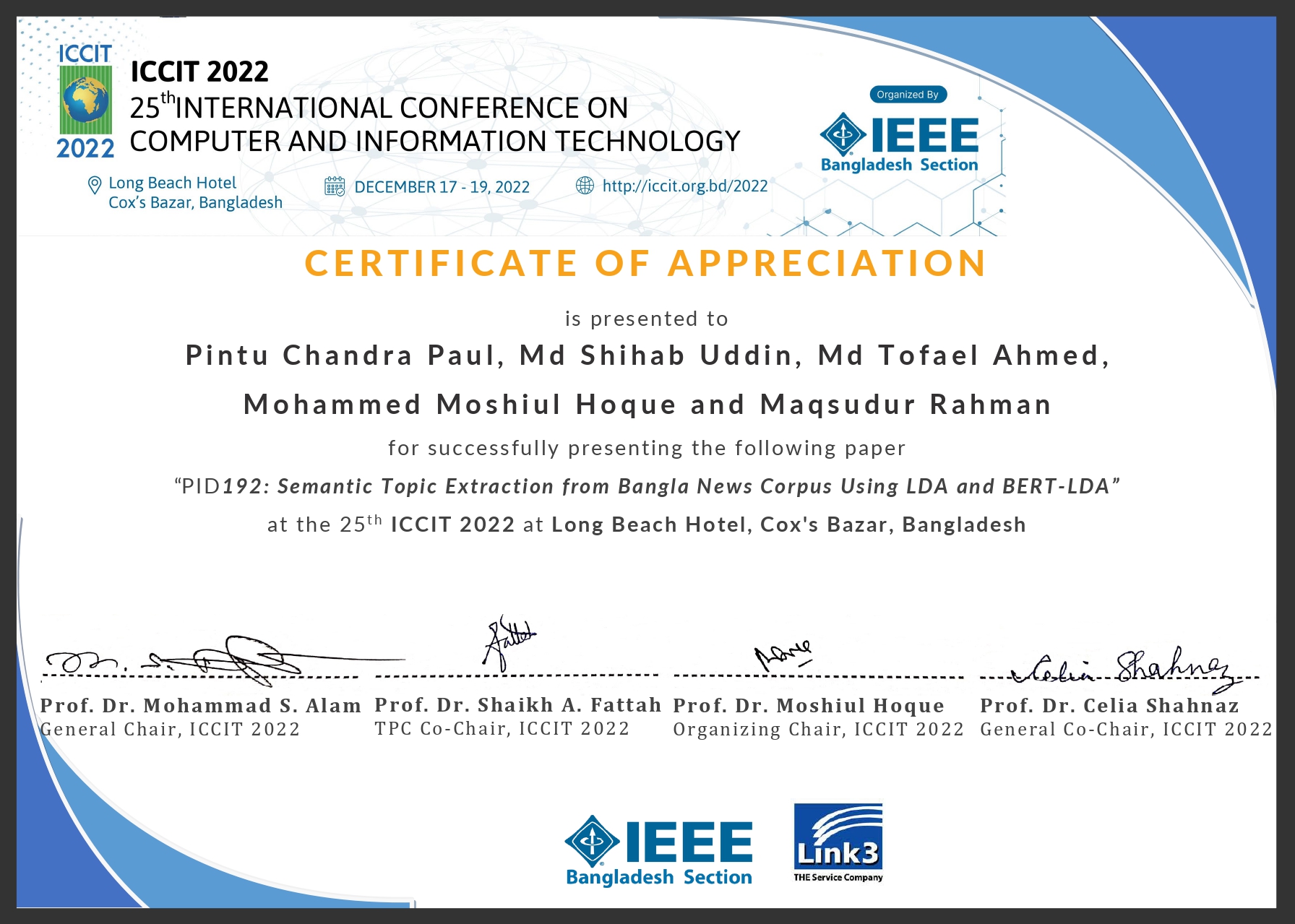
Semantic Topic Extraction from Bangla News Corpus Using LDA and BERT-LDA
P. C. Paul, Md. Shihab Uddin, M. T. Ahmed, M. Moshiul Hoque and M. Rahman.
DOI: 10.1109/ICCIT57492.2022.10055173
In order to infer topics from unstructured text data, topic modeling techniques is extensively employed in the field of Natural Language Processing. Latent Dirichlet Allocation (LDA), a popular technique in topic modeling, can be used for the automatic identification of topics from a vast sample of textual documents. The LDA-based topic models, however, may not always yield good outcomes on their own. One of the most efficient unsupervised machine learning methods, clustering, is often employed in applications like topic modeling and information extraction from unstructured textual data. In our study, a hybrid clustering based approach using Bidirectional Encoder Representations from Transformers (BERT) and LDA for large Bangla textual dataset has been thoroughly investigated. The BERT has done the contextual embedding with LDA. The experiments on this hybrid model are carried out to show the efficiency of clustering similar topics from a noble dataset of Bangla news articles. The outcomes of the experiments demonstrate that clustering with BERT-LDA model would aid in the inference of more coherent topics. The maximum coherence value of 0.63 has been found for our noble dataset using LDA and for BERT-LDA model, the value is 0.66.
A Cross-Domain Exploration of Audio and Textual Data for Multi-Modal Emotion Detection
Ariful Haque, M., George, R., Hossain Rifat, R., Md. Shihab Uddin, M. Kamal, & Datta Gupta, K.
The field of sentiment and emotion analysis is a challenging problem that has received research attention. The complexity of emotion and sentiment recognition draws from variability in expression, cultural and individual differences, context dependency, etc. This work takes an exploratory approach to the problem by performing an extensive classification of emotion using machine learning (ML) applied to textual and auditory data sources. We create a pipeline that facilitates the examination of textual and auditory inputs, resulting in more reliable emotional classification. The study uses multiple audio and textual datasets for the prediction of four distinct emotions. A four-layer Bi-LSTM model achieved 95% accuracy in emotion analysis from auditory clips. The training set contained 2391 samples, with Angry (20%), Fearful (18%), Happy (38%), and Neutral (24%). In the validation set of 713 samples, emotions were similarly distributed. The test set had 312 samples, with percentages of emotions comparable to the training set. We merged four datasets for textual analysis and utilized the "emotion english distilroberta base" model [5], achieving 90% accuracy on the test data. In the training set, emotions were distributed as follows: Angry (25%), Fearful (23%), Happy (23%), and Neutral (29%). The validation set comprised 305 samples, with similar distributions across emotions. The test set consisted of 712 samples, with percentages of emotions similar to the training set. We develop an application that combines both classifications to obtain a robust classification of arbitrary audio tracks.
Efficient CPU Burst Forecasting with Low-Latency Machine Learning Models (Accepted, IEEE SoutheasCon 2026)
Md Nazmus Shakib, Md Ashraf Hossain Ifty, Md. Shihab Uddin, Rahul Bhadani.
This paper investigates the use of ML models (KNN, DT, RF, MLP) for predicting CPU burst times based solely on submission-time attributes. These models are benchmarked against the exponential averaging (EA) method using the GWA-T-4 AuverGrid dataset. The study evaluates not only prediction accuracy but also inference latency for real-time scheduling. While KNN achieves high accuracy, the DT model shows the best trade-off between accuracy (MAE 3514.09, CC 0.84) and latency (0.0033 ms/sample). Confidence intervals and robustness testing confirm the feasibility of using ML for real-world CPU scheduling.
Skills
Work Experience
Graduate Teaching Assistant
Uinversity of Alabama in Huntsville.January 2025 - Present
I support and mentor students by delivering course content, facilitating lab sessions, and contributing to curriculum development
- Computer Organization
- Intro to Computer Programming for Engineering Lab
- Operating System Lab
- Intro to Software Engineering
- Machine Learning for Engineering Applications
- Signals and Systems for Computer Engineers
Courses Supported
Peer Reviewer
Served as a peer reviewer for international IEEE conferences, evaluating research submissions for technical quality, originality, and relevance.
- IEEE Intelligent Transportation Systems Conference (ITSC) 2025
- IEEE SoutheastCon 2026
Senior Software Engineer
Silicon Orchard Ltd.July 2023 - January 2025
- Designed Proof of Concepts (POCs), and Software Workflows to address specific business challenges.
- Managed the project with cross-functional teams and clients to design, implement, and deploy features.
- Designed and developed property recommendation system,property savings prediction model.
- Developed APIs to serve ML models using frameworks like Flask, Fast API.
- Leveraged Large Language Models (LLMs) to tackle tax applications while reducing cost & response time.
Taxation System Optimization
- Perform thorough data preprocessing and augmentation for 3D medical image datasets.
- Construct and optimize 3D image classification models for medical data with a focus on interpretability
- Implement IBA and GradCam techniques to enhance the interpretability of the 3D medical image classification models
Explainable 3D Medical Image Classification
- Create novel datasets by merging diverse open-source datasets for both audio and text modalities.
- Build accurate audio and text classification models with a target accuracy of 84% and 73%, respectively, using advanced sequence learning techniques
- Construct an efficient inference engine using Streamlit for real-time sentiment detection in both audio and text modalities.
Double Modality Sentiment Detection
Extra Caricular Activites
President, Comilla University IT Soceity
2020 - 2021
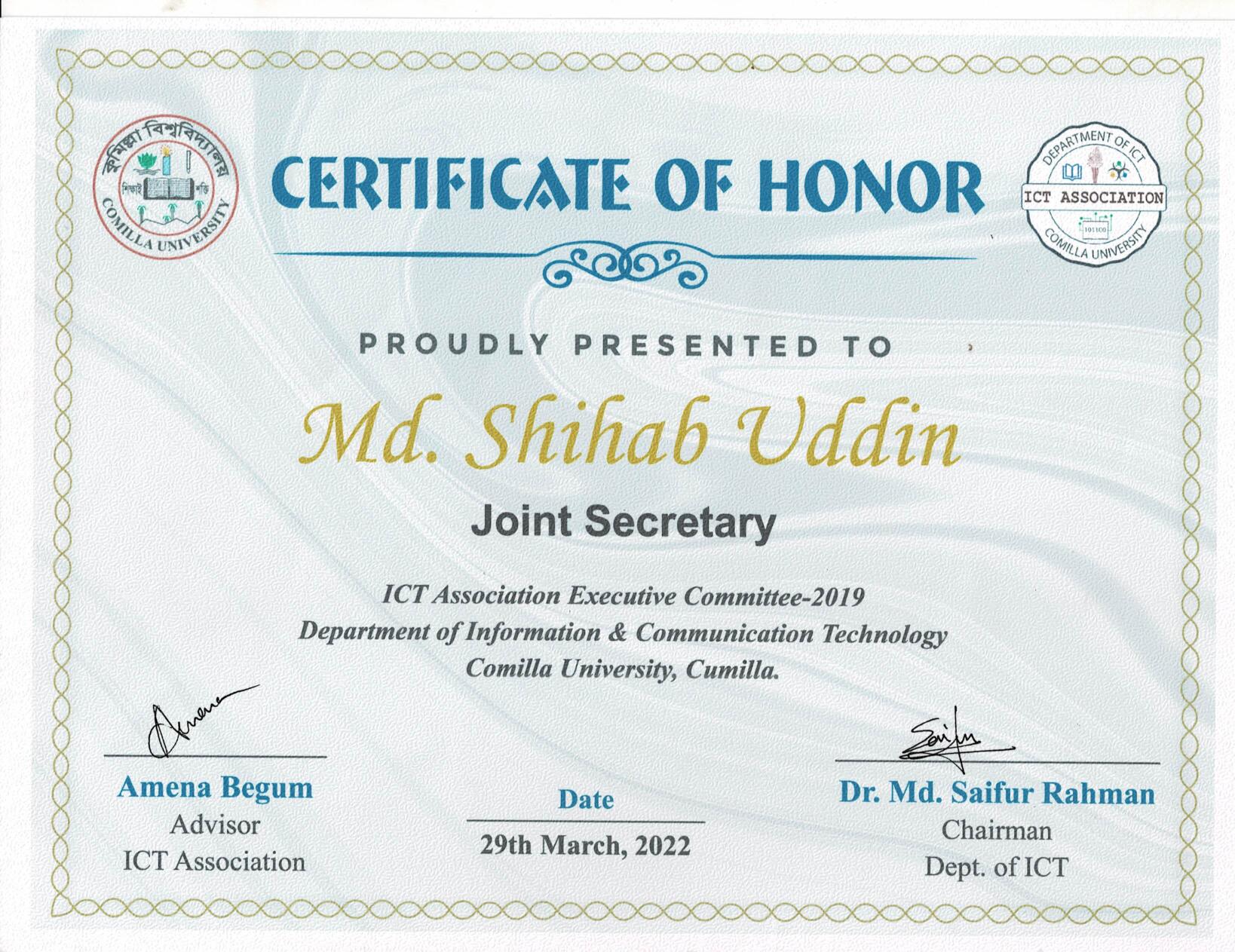
Joint Secretary, ICT Association, Dept. Of ICT
2019 - 2020
Radio Jockey, RadioCou
2018 - 2020
Software Engineer (NLP)
Technometrics LimitedJune 2022 - June 2023
- Built a text data pipeline which reduce the process time 45%
- Using a data-centric approach, i created a Bangla language modeland increased its accuracy by 82% over previous training.
- Reduced end-to-end ASR training time by 77% by utilizing bucketing technique.
- Reduced end-to-end ASR model Word Error Rate from 31 to 25 by utilizing self training / semi-supervised techniques for ASR.
- Built an automatic speech data collection pipeline and collected 20 thousand hours of speech data from the public internet.
- Created a 30 thousand hours dataset of Speech data using data augmentation of 15 thousand hours.
- Developed, and maintained an automatic cookies-based login system for an automation platform.
- Created APIs for different statistical features for the system
Bangla Language Model
Bangla ASR
Social Media Monitoring System
Junior Machine Learning
Ishraak Solutions LimitedDec 2020 - May 2022
- Developed a resume extractor which can extract user information from their resume using BERT.
- Developed an NLP – based job extractor that extracts information from unstructured job data.
- Developed an application to detect job posts or not with accuracy of 98% Worked on an application that verifies user profiles to see if the profile photo is appropriate or not.
- Worked on a hybrid Job Recommendation.
- ● Worked on a job categorization application that classified 50 categories with 81% of accuracy.
- Worked on Multi Classification and Binary Classification problems based on NLP.
- Developed a Custom Named Entity Recognition Using Spacy
JobXprss
Language Proficiency
English, Overall 6.5
- Speaking 7.0
- Reading 6.5
- Listening 6.5
- Writing 6.0
Bangla, Native


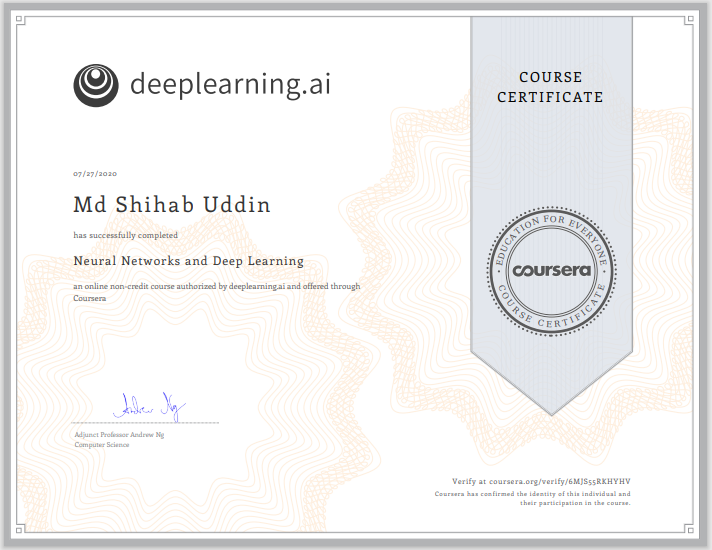
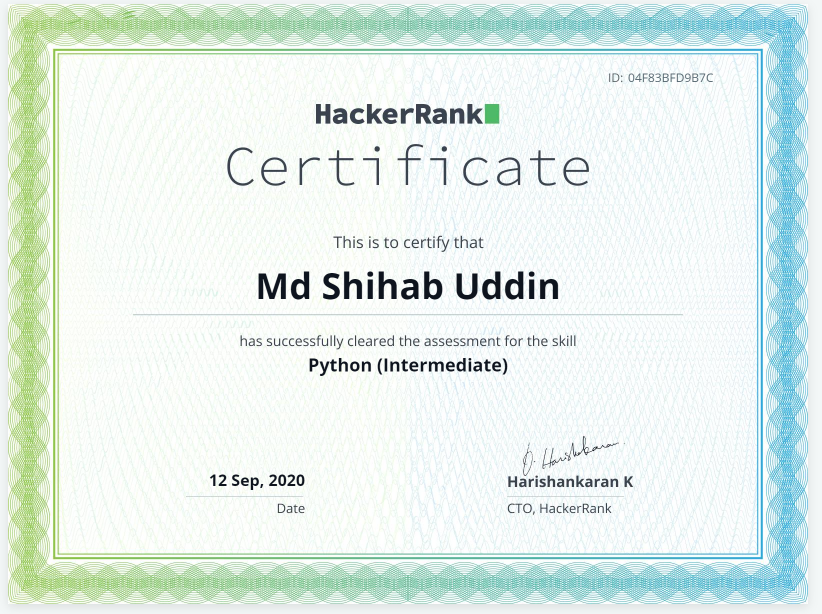
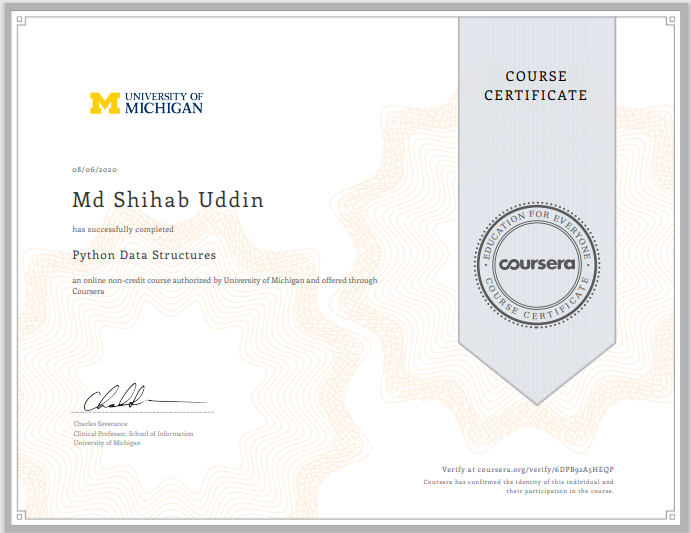
Testimonials
I had the pleasure of working with Shihab Uddin and was consistently impressed by his expertise and professionalism. He has strong command over machine learning, excels in software requirements analysis, and demonstrates excellent leadership skills. Shihab is thoughtful, dependable, and brings a collaborative spirit to any team. He’s truly an asset in any tech-driven environment.

Mahfuzur Rahman
Lead Software Engineer
I have had the pleasure of working closely with Md Shihab Uddin on various projects, and I wholeheartedly recommend him as an exceptional Software Engineer (NLP). Md Shihab possesses a strong skill set in Python, Machine Learning, Conversational AI, Data Science, Natural Language Processing, and Computer Vision. Md Shihab's ability to provide innovative solutions and his dedication to problem-solving are truly commendable. His expertise in NLP and Conversational AI has been instrumental in developing cutting-edge applications. Md Shihab consistently delivers high-quality results by combining his technical knowledge with a deep understanding of the domain.
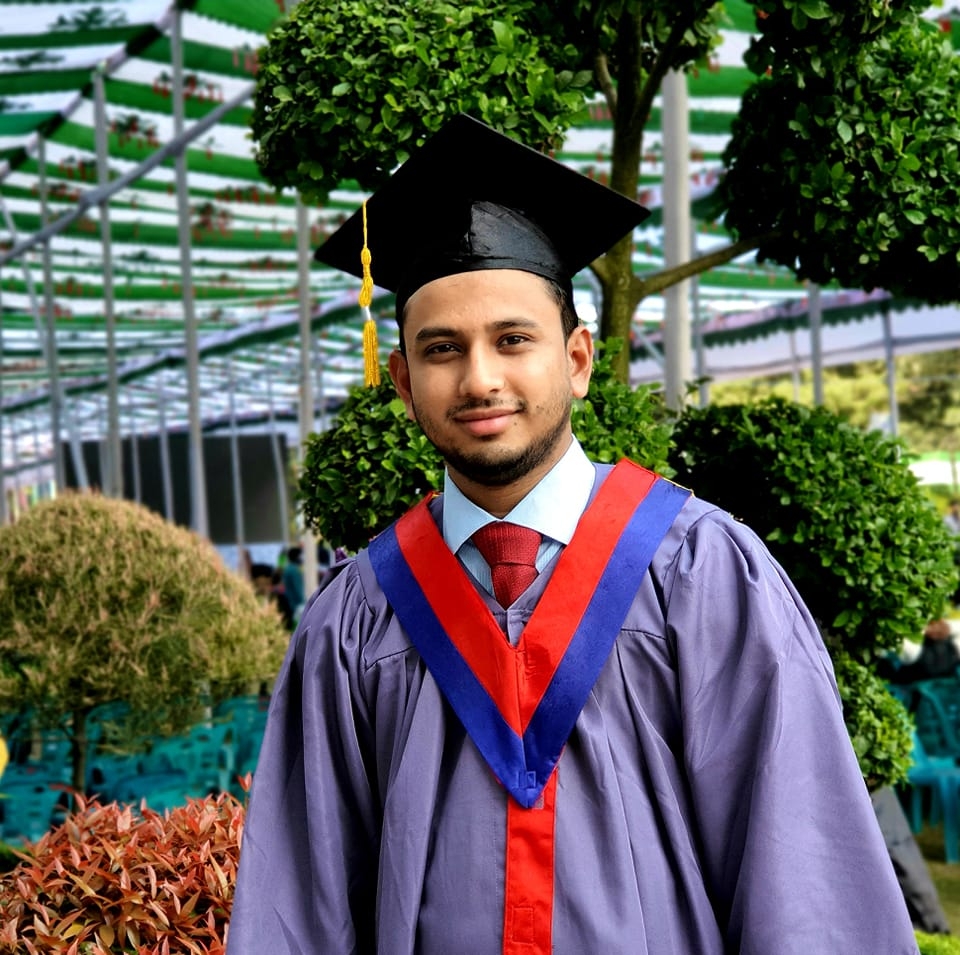
Jahangir Soud
Senior Software Engineer
I highly recommend Shihab as an outstanding machine learning engineer. His passion for the field and exceptional technical expertise consistently stood out during our time working together. Shihab's ability to tackle complex problems with creativity and precision is truly impressive. His collaborative nature and excellent communication skills make him a pleasure to work with.
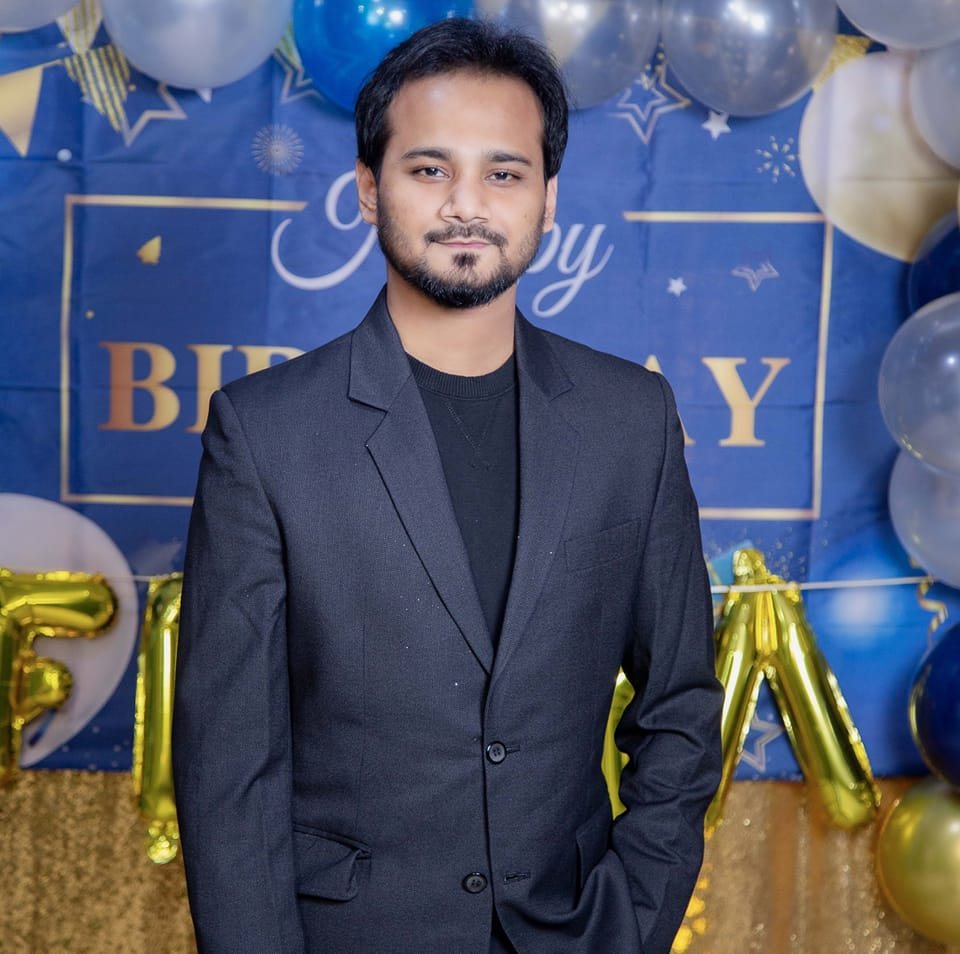
Sultan Al Raihan
Software Engineer
He is really a talented software engineer, programmer and NLP expert. Cordially appreciating his works

Saadman Sayeed Saad
Software Engineer
During our B.Sc., I had the opportunity to collaborate with Md Shihab Uddin in our android class project as part of the same project group. Throughout the project, I noticed his exceptional creativity and ability to generate intriguing ideas. Moreover, he consistently displayed openness towards accepting and valuing the ideas of others. He was always willing to assist and support his teammates within the group. Working with him for the entire semester on this project was a truly enriching experience, as I had the chance to acquire valuable knowledge from him. If I were to sum him up in a single word, I would describe him as humble, yet possessing an inherent quality for leadership.

Maksuda Haider Sayma
Lecturer
An IT loving people. Now leading Comilla University IT Society. His leadership quality is really amazing. With a strong academic result he is maintaining everything. That's much inseparable. He is well skilled at managing a team. Having huge experience on managing massive program he also maintaining different type of workshop and training with 100% of success. We wish the best for himself always.

Nazmul Alam Ridoy
Graphic Designer
Contact
Location:
Huntsville, Alabama, USA
Email:
shihabuddin.ict@gmail.com